
Power tools, meters, and accessory kits need organized protection during storage and transport. A custom EVA case manufacturer can shape the shell, insert, and carrying details around your product. A custom power tool case should also match the kit’s use and sales channel. Therefore, evaluate engineering support, production controls, sampling, and packaging together.
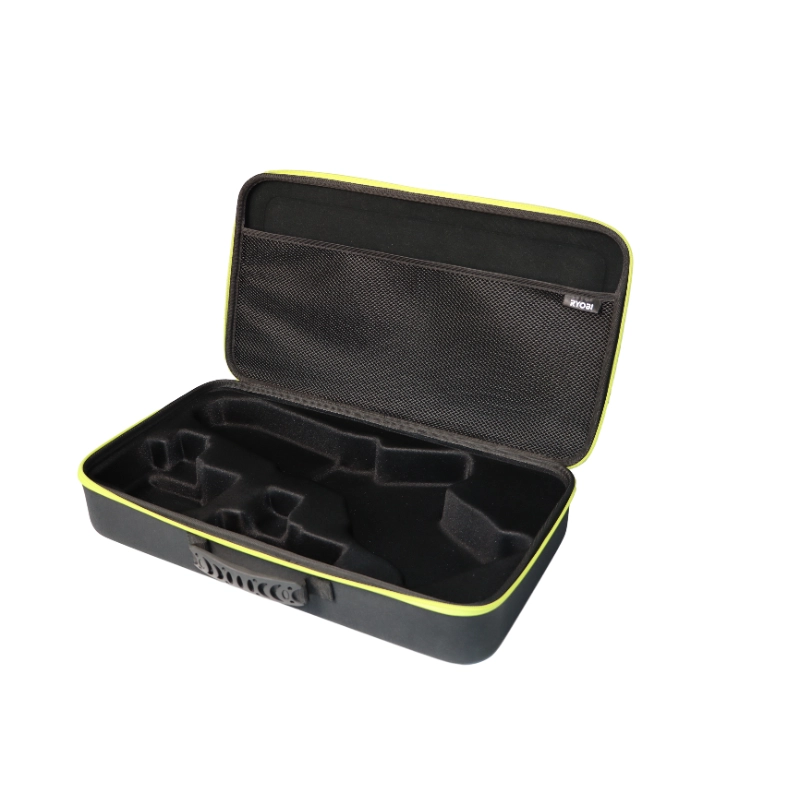
Will the Case Fit Every Tool and Accessory?
A loose cavity may let tools shift, while an overly tight insert can slow packing. First, map the tool body, battery, charger, bits, cables, and manuals. A capable supplier should review dimensions, removal clearance, opening direction, and component order.
Provide a dimensioned drawing or physical reference sample. Then, ask the factory to confirm cavity dimensions against the actual tool set. During sampling, check lid clearance, retention, removal force, and accessory visibility. Record cavity length, width, and depth on the approval sheet. Also agree how the team will manage product revisions.
Internal Link Opportunity: Custom Power Tool EVA Cases
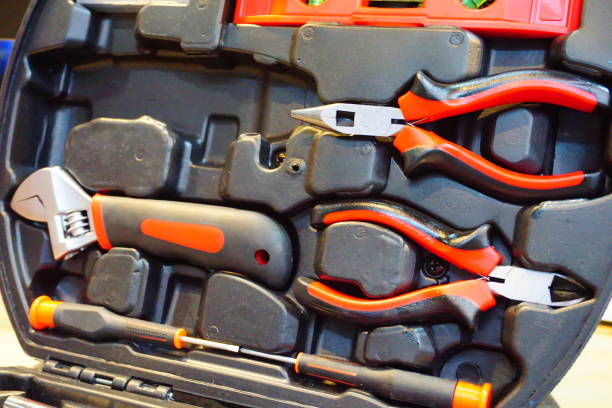
Which Shell and Surface Suit the Use Environment?
A workshop kit may need different fabric and structure from a retail gift kit. Meanwhile, field technicians may value easy cleaning, secure grip, and convenient carrying. Discuss EVA density, shell thickness, fabric, lining, and edge finishing with the manufacturer. Select details based on tool weight, handling frequency, and target price.
Ask for a specification listing each layer and finish. Next, review sample weight, shell feel, seam alignment, zipper travel, and handle attachment. For repeat orders, retain an approved reference sample and written material details. Consequently, teams can compare later batches against an agreed standard.
How Can Buyers Balance Quality and Unit Cost?
A quotation may exclude insert development, sample revisions, logo tooling, or retail packaging. Conversely, extra features without a clear use case can increase costs. A reliable custom EVA case manufacturer should explain cost drivers and offer practical options. Compare shell finishes, insert complexity, zipper grades, logo methods, and packaging levels.
Request a quotation separating tooling, samples, unit price, and packaging. Then confirm order quantity, tolerances, lead-time assumptions, and change control. Compare total delivered cost across realistic order volumes.
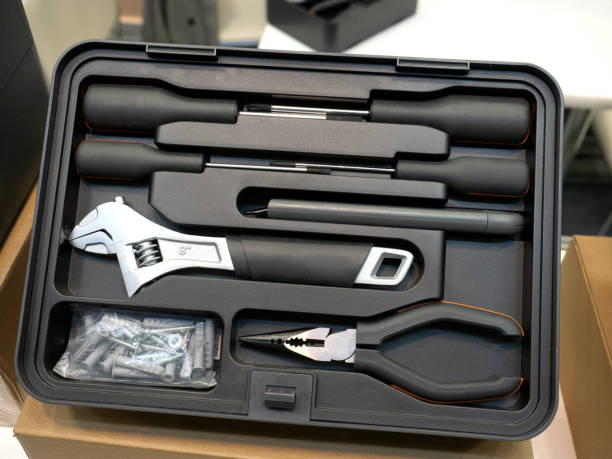
What Quality Checks Should a Supplier Provide?
Consistent production depends on agreed inspection points and acceptance criteria. Ask the factory to inspect dimensions, surface appearance, stitching, zipper operation, handle security, and insert fit. In addition, set a test plan based on intended use. For example, define a carry-load target, zipper-cycle target, and drop-test height before testing begins.
Review a sample with the tool, accessories, logo, and packaging. Record corrections, then approve the final reference before bulk production. If the product changes, document each revision.
Which Compliance Documents and Custom Features Matter?
Compliance needs depend on destination market, product claims, and buyer requirements. Ask which reports apply to shell fabric, dyes, adhesives, or other supplied materials. Do not assume every finished case carries the same certification. Instead, verify the report issuer, covered material, test date, and product scope.
| Review Item | What to Confirm | B2B Value |
|---|---|---|
| Material documents | Applicable RoHS, REACH, or buyer-requested reports | Supports material review |
| Fit and dimensions | Approved drawing and sample records | Improves repeatability |
| Carrying components | Handle, zipper, and strap checks | Supports routine handling |
| Branding and packing | Logo position, color reference, carton details | Consistent presentation |
Internal Link Opportunity: EVA Material and Insert Design Guide
For branding, confirm logo size, placement, color matching, labels, and packaging artwork. Also ask whether the supplier can coordinate samples and accessory layouts. A molded EVA case can align protection, presentation, and target cost when features match actual needs.
Q&A: Choosing a Custom EVA Case Manufacturer
Q: What should we send for a first quotation?
A: Share tool dimensions, photos, accessory lists, target quantity, destination market, and branding needs. A drawing or reference sample improves review accuracy.
Q: Can the factory customize the insert and handle together?
A: Yes. The brief can cover tool-fit cavities, battery and charger spaces, reinforced handles, zippers, straps, logos, and packaging. Confirm details in the approved sample.
Q: How can we protect quality across repeat orders?
A: Keep an approved sample, material specification, inspection checklist, and revision record. These references help teams review production consistently.
Q: How do we judge value beyond unit price?
A: Review tooling, sample support, fit accuracy, inspection scope, packaging, and communication. Choose a supplier whose capabilities match your product and forecast.