
A custom EVA electronics case gives camera kits a molded organizer for transport, storage, and retail presentation. For brands and distributors, the right supplier combines accurate fit, consistent workmanship, and practical unit costs. Therefore, assess design support, production controls, customization, and communication before ordering.
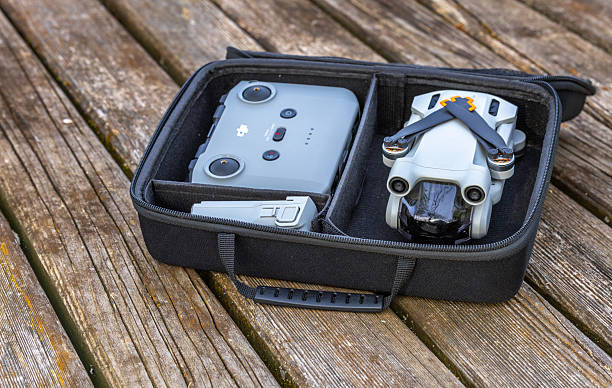
How Can an EVA Case Supplier Fit Every Camera Kit Component?
Camera kits may include a camera, batteries, mounts, cables, chargers, and memory cards. However, each bundle has different shapes and quantities, so one layout may not suit every product mix. A custom action camera case should organize accessories and allow easy removal.
Technical Solution: Map the Kit Before Tooling
First, share a component list, dimensions, photos, and available drawings. Next, ask the factory to review compartment depth, spacing, finger access, and cable storage. Confirm the layout with a prototype before approving bulk production.
Also, ask whether inserts can support different kit versions. A modular layout may help brands offer multiple bundles without redesigning the whole case. Explore Custom EVA Case Options to review configurations and branding choices.
What Protection Should a Custom EVA Electronics Case Provide?
During travel, camera kits may face pressure inside luggage, repeated handling, and contact with other equipment. Meanwhile, loose accessories can rub against the camera when the insert allows excess movement. A molded EVA shell and fitted interior help manage everyday transport risks.
Technical Solution: Match Construction to Use
Ask the supplier about shell construction, insert material, zipper design, and handle attachment. Then, define support needs based on kit weight and carrying conditions. A sample review helps check closure alignment, component movement, and access.
However, do not choose protection by appearance alone. Instead, describe expected use, shipping methods, and handling conditions. The factory can recommend a suitable structure without adding unnecessary features.
Which Customization Options Support Brand Value and Budget?
For B2B buyers, a case provides protection and shapes the product experience. In addition, coordinated colors, logos, zippers, handles, and retail packaging can support a consistent product range. A custom camera kit case can also simplify merchandising for online or retail channels.
Technical Solution: Prioritize High-Value Features
First, separate essential needs from optional styling. For field-use kits, accurate compartments and durable seams may matter more than decorative details. Meanwhile, branded e-commerce bundles may benefit from tailored logo placement and retail packaging.
Ask the manufacturer to itemize tooling, samples, materials, printing, packaging, and production where applicable. This breakdown makes total order costs easier to compare. Read the EVA Case Design Guide for more guidance on fit and production planning.
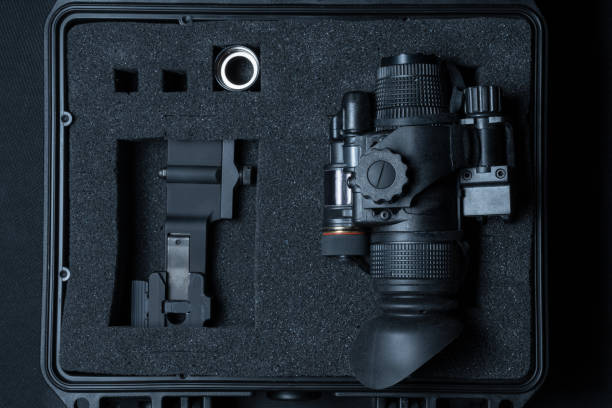
How Can Buyers Check Factory Quality and Compliance?
A capable supplier should explain how it manages drawings, samples, materials, assembly, and final inspection. Moreover, it should track revisions and use approved samples for repeat orders. These controls support consistency as volumes or kit configurations change.
Technical Solution: Request Project-Specific Evidence
Ask for a written specification covering dimensions, materials, colors, logo artwork, zipper, handle, and packaging. Then, confirm inspection points for appearance, seams, closure operation, and insert fit. Where relevant, request test reports or compliance documents for the destination market.
No single certificate applies to every case or sales region. Therefore, identify the market and customer requirements before requesting documentation. A transparent factory will clarify existing documents and any additional testing.
| Evaluation area | What to define | Useful verification |
|---|---|---|
| Fit and compartments | Components, dimensions, spacing | Approved drawing and sample |
| Shell and insert | Materials and intended use | Material specification and sample review |
| Zipper and handle | Style, placement, carrying needs | Closure and handling inspection |
| Branding and packaging | Logo, colors, retail pack | Artwork and packaging approval |
| Compliance | Market and buyer requirements | Relevant reports, where applicable |
A custom EVA electronics case supplier should support design and repeatable manufacturing. Therefore, request sample approval and a cost breakdown before committing to volume. This helps B2B buyers balance quality, customization, and value.
Q&A: What Should B2B Buyers Ask an EVA Case Factory?
Q: Can the factory customize compartments for cameras and accessories?
A: Yes. A supplier can plan inserts around dimensions, product samples, and the full accessory list. Then, it can refine the layout through prototype review.
Q: How can buyers control costs while maintaining quality?
A: Prioritize fit, shell construction, and reliable closures. Then, review optional branding and packaging against the target price.
Q: What should we send for a quotation?
A: Provide order quantity, component list, dimensions, reference photos, logo files, packaging needs, and destination market. These details help the factory assess customization and prepare a useful quotation.